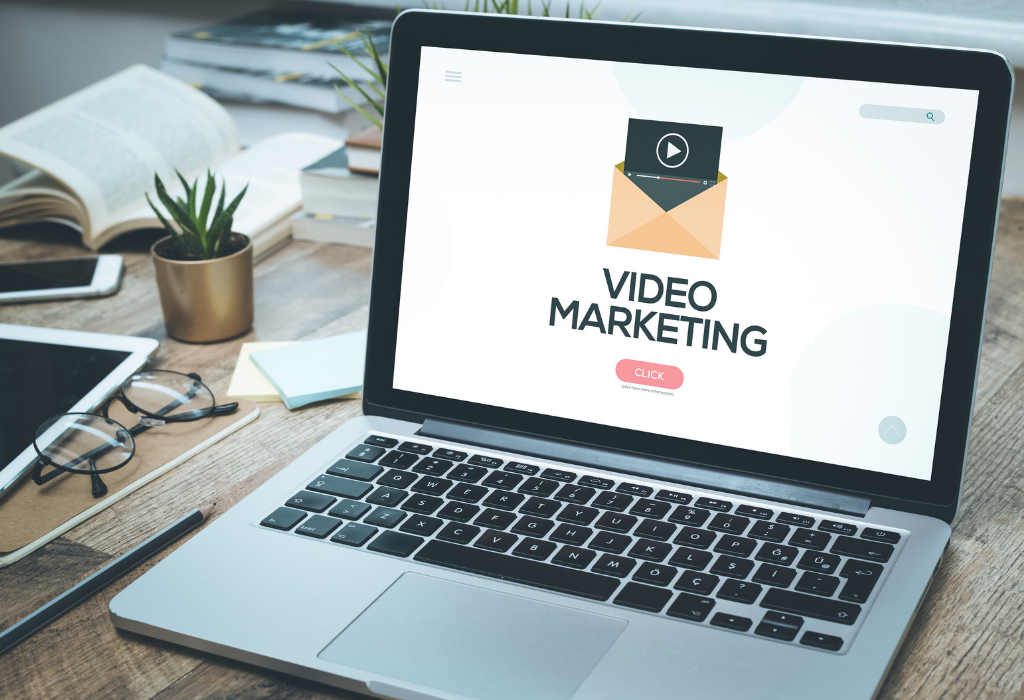
Why Video Marketing Is Essential for Your 2025 Strategy

Introduction

In a hyperconnected, attention-deficient digital world, video marketing has become a dominant force—and in 2025, it’s no longer optional. Video is the most consumed content format on the internet today, and its effectiveness in capturing attention, educating customers, and driving conversions has made it an essential pillar of modern marketing strategies.

Whether you’re a B2C brand showcasing products or a B2B company building thought leadership, here’s why video marketing should be at the heart of your strategy in 2025.

1. Video Dominates Consumer Attention

Consumers are watching more videos than ever before. According to Cisco, video makes up over 80% of global internet traffic, and platforms like YouTube, TikTok, Instagram Reels, and LinkedIn Video continue to grow rapidly.

Why this matters:

  • Videos grab attention faster than text or static images
  • Viewers retain 95% of a message when it’s in video form (vs. 10% when read)
  • Video boosts engagement on social media, landing pages, and email

To compete in 2025, brands must create content for the channels where their audience is already watching.

2. Short-Form Video Is the New King

TikTok set the trend, and now every platform has a short-form video feature. In 2025, 15 to 60-second videos drive the highest engagement.

Where to focus:

  • Instagram Reels
  • YouTube Shorts
  • TikTok videos
  • Facebook Stories
  • LinkedIn native video snippets

These formats are perfect for product demos, testimonials, tips, behind-the-scenes clips, and micro-storytelling.

3. Video Builds Trust and Humanizes Brands

People connect with faces more than logos. Video helps humanize your brand and build trust through tone, body language, and storytelling.

Ideas to try:

  • Founder or team intro videos
  • Customer stories and case studies
  • Live Q&A sessions
  • “A day in the life” or office culture videos

Trust is a currency—and video earns it faster than any other format.

4. Video Enhances SEO and Website Performance

Embedding videos on your website improves user experience, increases time on site, and can directly influence your search engine rankings.

How video boosts SEO:

  • Reduces bounce rate by increasing content interaction
  • Helps pages rank in video search and featured snippets
  • Drives backlinks and shares from high-value content

Upload videos to YouTube (2nd largest search engine) and embed them on key landing pages.

5. Video Improves Conversion Rates

Videos don’t just attract eyeballs—they drive action.

Stats that prove it:

  • Product videos can increase purchases by up to 144%
  • Including a video on a landing page can boost conversions by 80%
  • 74% of users who watched an explainer video about a product went on to buy it

Incorporate explainer videos, product walkthroughs, and testimonial reels into your funnel.

6. Personalized Video Content Drives Deeper Engagement

AI and automation have made it possible to personalize videos at scale. In 2025, hyper-relevant content wins.

Ideas for personalized video:

  • Dynamic videos with the viewer’s name or company
  • Sales outreach with custom demo videos
  • Post-purchase thank-you videos

Tools like Vidyard, Loom, and Bonjoro can help you send personalized videos easily.

7. Live Video Builds Real-Time Connection

Live streaming is booming across platforms—from webinars to Instagram Live to LinkedIn Events.

Benefits of going live:

  • Drives real-time interaction and feedback
  • Creates urgency and FOMO for product drops or announcements
  • Allows for Q&A, polls, and audience engagement

Live sessions add authenticity and create a sense of community.

8. Repurpose Video Across Channels

One video shoot can generate dozens of content pieces. Smart marketers maximize ROI by repurposing video content.

Repurposing plan:

  • Break long videos into short clips for Reels/Shorts
  • Turn webinars into blog posts or ebooks
  • Extract quotes or soundbites for social media
  • Use still frames for image posts or email graphics

This approach saves time and ensures consistency in messaging.

9. Video Advertising Yields High ROAS

From YouTube pre-rolls to Instagram Stories to LinkedIn video ads—video advertising is outperforming static formats.

Tips for success:

  • Use attention-grabbing hooks in the first 3 seconds
  • Keep mobile users in mind (vertical format, subtitles)
  • Include a strong call to action (CTA)

Video ads are particularly powerful for retargeting and storytelling in paid campaigns.

10. Analytics and Optimization Are Easier Than Ever

Modern video platforms offer deep insights into viewer behavior, helping marketers refine content for better performance.

Key metrics to track:

  • Watch time and completion rate
  • Click-through rate (CTR)
  • Engagement rate (likes, comments, shares)
  • Conversion rate by video type or placement

Use platforms like YouTube Studio, Wistia, or Vimeo Analytics to improve your video strategy continuously.

Conclusion: Make Video Central to Your 2025 Growth Plan

Video isn’t just a trend—it’s the future of communication, education, and brand-building. In 2025, your audience expects video content that’s fast, fun, informative, and authentic.

Whether you’re launching a new product, nurturing leads, or building a loyal following, video delivers the versatility, impact, and ROI you need.

At GrowthBox, we help businesses turn video into a strategic growth engine. From ideation to editing to promotion—we’ve got your video strategy covered.

Ready to tell your story in motion? Let’s roll the camera on your next big success.

 

Optimizing for Voice Search in 2025: Strategies for Future-Proof SEO

Introduction

As smart speakers, voice assistants, and wearable tech continue to infiltrate daily life, voice search is becoming a dominant force in how consumers discover and interact with brands. In 2025, voice search isn’t just a futuristic concept—it’s a marketing necessity.

With more users asking Siri, Alexa, and Google Assistant for recommendations, directions, and services, optimizing for voice search is critical for businesses that want to stay visible and relevant.

Here’s how you can prepare your digital presence for the voice-first future.

1. Understand the Voice Search Landscape

Voice search has evolved from novelty to necessity. Today’s users expect quick, accurate, and context-aware responses.

Key trends in 2025:

  • Over 60% of smartphone users use voice search daily
  • Smart speaker ownership continues to rise globally
  • Local and on-the-go searches are the most common
  • Conversational, natural language queries dominate

To compete, brands must match the way people speak—not just how they type.

2. Focus on Conversational Keywords and Questions

Voice search queries tend to be longer and more natural.

Optimize by:

  • Targeting long-tail, question-based keywords
  • Using natural sentence structures in your content
  • Including FAQs that mimic user speech patterns

Examples:

  • Typed: “best running shoes 2025”
  • Voice: “What are the best running shoes for daily use in 2025?”

Tools like AnswerThePublic and AlsoAsked can help identify voice-style queries.

3. Create and Optimize Featured Snippets

Most voice assistants pull answers from featured snippets—the “position zero” of Google.

To capture these spots:

  • Use structured headers (H2, H3) to break content into logical sections
  • Answer specific questions in 40–60 words
  • Include bulleted lists, tables, and concise definitions

Being featured increases both visibility and credibility.

4. Improve Your Site Speed and Mobile Experience

Voice search is used on the go, often via mobile devices. A fast, mobile-friendly website is essential.

Tips:

  • Use Google PageSpeed Insights to optimize load time
  • Ensure responsive design across all devices
  • Compress images and enable lazy loading
  • Use AMP (Accelerated Mobile Pages) where relevant

Speed is a ranking factor—and a user expectation.

5. Optimize for Local Voice Search

Nearly 58% of voice searches are local, such as “Where’s the nearest coffee shop?”

Local optimization checklist:

  • Claim and update your Google Business Profile
  • Include accurate NAP (Name, Address, Phone Number) across directories
  • Use location-based keywords in your content
  • Encourage and respond to online reviews

Local businesses especially benefit from voice-friendly visibility.

6. Use Schema Markup and Structured Data

Schema helps search engines better understand and present your content.

Use structured data for:

  • FAQs
  • Events
  • Products and services
  • Local business info
  • Reviews

You can implement schema via tools like Google’s Structured Data Markup Helper or plugins like Yoast SEO.

7. Prioritize Clarity, Simplicity, and Direct Answers

Voice assistants look for clear, concise responses. Avoid jargon and complex sentence structures.

Tips:

  • Write at a 6th–8th grade reading level
  • Lead with the answer before elaborating
  • Use short sentences and simple language

Think of how you’d explain something to a friend in conversation.

8. Incorporate Voice Search Into Your Content Strategy

Voice SEO isn’t a separate strategy—it should integrate into your overall content plan.

Tactics:

  • Create “How-to” and “What is” blog posts
  • Add conversational content to your site
  • Use audio content like podcasts to engage voice-first users
  • Include video transcripts with natural speech patterns

A voice-first mindset will make your content more human—and more helpful.

9. Track Voice Search Performance and Behavior

Traditional analytics tools aren’t fully equipped to isolate voice search—but there are ways to infer performance.

How to measure:

  • Monitor traffic and rankings for long-tail, conversational keywords
  • Check Search Console for FAQ performance and rich results
  • Analyze changes in mobile bounce rate and time on site

Emerging tools like SEMrush Voice Search Tracker and voicebot.ai may provide deeper insights.

10. Prepare for Multimodal and Ambient Search Experiences

Voice is merging with visual and contextual experiences. Users may speak to a device, view the result on a screen, and act on it via touch or automation.

Future-proof your SEO by:

  • Designing for both voice and visual interfaces
  • Providing content across smart displays, TVs, and wearables
  • Ensuring brand consistency across channels

The brands that adapt to ambient search environments will lead in discoverability.

Conclusion: Voice Is the Future of Search—Start Now

Voice search isn’t a trend—it’s a fundamental shift in user behavior. In 2025, businesses that want to be found need to be fluent in conversational, context-aware, and mobile-first SEO.

At GrowthBox, we help brands future-proof their digital presence with cutting-edge search strategies, including voice optimization.

Ready to rank for what your customers are asking—not just typing? Let’s talk voice-first SEO today.


How AI Is Transforming Digital Marketing: Tools and Use Cases in 2025

Introduction

Artificial Intelligence (AI) is no longer a buzzword—it’s the driving engine behind digital marketing innovation. As we move through 2025, AI is enabling marketers to personalize experiences, analyze data at scale, automate tedious tasks, and predict consumer behavior with unprecedented accuracy.

Whether you’re a startup, SMB, or enterprise, understanding how to harness AI tools can elevate your marketing strategy and improve ROI. Here’s a comprehensive look at how AI is transforming digital marketing in 2025.

1. Hyper-Personalization at Scale

Gone are the days of basic first-name email greetings. Today’s AI-powered personalization adapts in real-time across touchpoints.

Use cases:

  • Product recommendations based on past behavior
  • Personalized email sequences and landing pages
  • AI-powered dynamic pricing and offers

Tools to explore: Dynamic Yield, Salesforce Einstein, Adobe Sensei

AI helps marketers craft unique journeys for each user, improving engagement and conversion rates.

2. Predictive Analytics for Smarter Decisions

AI-powered predictive analytics takes the guesswork out of marketing strategies by analyzing large data sets to forecast outcomes.

Applications:

  • Lead scoring based on likelihood to convert
  • Forecasting campaign ROI and customer lifetime value (CLV)
  • Predicting churn before it happens

Tools to try: IBM Watson, Pega, Google Cloud AI

These insights help teams allocate budgets more efficiently and fine-tune strategies.

3. AI-Generated Content and Copywriting

While human creativity is irreplaceable, AI accelerates content creation for blogs, ads, social media, and more.

How it’s used:

  • Drafting email copy or product descriptions
  • Creating ad headlines and CTAs
  • Generating content outlines and SEO-optimized blog drafts

Popular tools: ChatGPT, Jasper, Copy.ai, Writesonic

The key is to combine AI efficiency with human refinement for truly impactful messaging.

4. Conversational Marketing and AI Chatbots

AI-powered chatbots have matured significantly, offering intelligent, human-like interactions 24/7.

Key benefits:

  • Answer FAQs and guide users in real time
  • Qualify leads and direct them to sales reps
  • Reduce response time and improve CX

Top tools: Drift, Intercom, Tidio, Chatfuel

These bots enhance engagement and support across websites, apps, and social platforms.

5. AI in Social Media Marketing

AI is revolutionizing how brands manage social media—from content creation to community management.

AI-powered tasks:

  • Auto-scheduling and optimal posting times
  • Trend prediction and sentiment analysis
  • Influencer discovery and performance tracking

Tools to explore: Lately.ai, Sprout Social, Emplifi, Brandwatch

Marketers can now analyze conversations at scale and act with speed and relevance.

6. Smarter Paid Advertising with AI

AI has reshaped how paid media campaigns are managed and optimized.

Game-changing features:

  • Automated bidding and budget allocation
  • Real-time ad creative testing and optimization
  • Audience segmentation using machine learning

AI ad tools: Google Performance Max, Meta Advantage+, Adzooma, Madgicx

With AI, even small teams can manage complex campaigns more effectively.

7. Visual Recognition and Creative Automation

AI is getting better at interpreting images and generating creative content.

Capabilities:

  • Image and video tagging for SEO and cataloging
  • AI-generated designs (ads, banners, product mockups)
  • Automated video generation for product marketing

Tools in 2025: Canva AI, Runway ML, Lumen5, Synthesia

This helps marketers scale visual content without losing quality or creativity.

8. Voice and Visual Search Optimization

As voice assistants and smart devices become standard, optimizing for non-textual search is a must.

AI helps with:

  • Understanding conversational intent
  • Matching product data with spoken queries
  • Recognizing images and surfacing relevant results

Marketers must now create content that’s voice- and image-search friendly to stay competitive.

9. Sentiment and Emotion Analysis

AI can read between the lines—analyzing how audiences feel, not just what they say.

How it’s used:

  • Monitoring brand reputation in real time
  • Adjusting messaging based on audience mood
  • A/B testing creatives based on emotional response

Useful tools: Clarabridge, Lexalytics, Talkwalker

Emotionally intelligent marketing creates deeper customer connections.

10. AI Ethics and Data Privacy in 2025

As AI adoption rises, so do concerns about data usage and privacy.

Marketers must:

  • Ensure AI models are ethical and unbiased
  • Comply with GDPR, CCPA, and regional data laws
  • Be transparent about AI use and data collection

Trust is critical in AI-powered marketing. Responsible AI practices are now a brand differentiator.

Conclusion: Embrace the Future, Ethically and Strategically

AI is no longer a competitive edge—it’s the standard. Brands that leverage AI strategically in 2025 will unlock higher efficiency, better targeting, and richer customer experiences.

But the key isn’t just automation—it’s intentional, ethical use. AI can help you reach the right people, with the right message, at the right time—without losing the human touch.

At GrowthBox, we help brands implement AI tools that actually move the needle—while maintaining creativity, compliance, and customer trust.

Want to make your marketing smarter with AI? Let’s talk about your 2025 game plan.


Marketing & Advertising on LinkedIn | Digital Marketing Insights

LinkedIn has evolved from a professional networking platform to a powerful tool for businesses looking to reach decision-makers and key professionals in their industry. With over 900 million users, LinkedIn provides a unique environment for brands to connect with the right audience, whether it’s through organic content or LinkedIn advertising. In this blog, we’ll explore how businesses can leverage LinkedIn marketing to boost their brand visibility, engage with the right professionals, and drive leads. Additionally, we’ll dive into the various LinkedIn ads options available, the cost of running LinkedIn paid ads, and how digital marketing agencies can help you manage your LinkedIn ad campaigns efficiently.

linkedIn marketing

Why Choose LinkedIn for Marketing?

LinkedIn is the go-to platform for B2B marketing. Unlike most social media platforms, LinkedIn is uniquely tailored for professionals. Its user base consists of decision-makers, industry leaders, and key professionals who have purchasing power or influence within their organizations. This makes LinkedIn marketing highly effective for businesses that want to target a specific audience, especially in industries such as technology, finance, education, and healthcare.

In addition to this, LinkedIn’s algorithm ensures that content is shown to users who are most likely to engage with it. This creates an opportunity for businesses to create targeted LinkedIn ads that reach the most relevant audience, driving higher engagement and better results for your marketing campaigns.

Types of LinkedIn Ads

There are several types of LinkedIn ads available, each designed to help businesses meet different objectives.Let’s explore some of the most common examples:

1. Sponsored Content

Sponsored Content is the most common form of LinkedIn paid ads. These are native ads that appear in users’ news feeds and look similar to organic posts. These can include images, videos, or carousel advertisements. This format is ideal for promoting blog posts, whitepapers, and other forms of content that drive engagement and brand awareness.

2. Text Ads

Text Ads appear on the right side of LinkedIn’s desktop interface. These ads consist of a short headline, a brief description, and an image. While they take up less space than Sponsored Content, they are highly targeted and cost-effective for driving lead generation.

3. Message Ads

Message Ads are sent directly to users’ inboxes. These can be highly personalized and are effective for businesses looking to engage users on a more personal level. By sending a message directly to your target audience, you can encourage them to take immediate action, such as signing up for a newsletter, downloading a resource, or booking a consultation.

4. Dynamic Ads

Dynamic Ads are personalized ads that automatically adapt to each LinkedIn user’s profile information. These ads can help businesses create highly relevant campaigns that are tailored to each individual, making them highly effective for driving conversions.

5. Carousel Ads

Carousel Ads enable you to display multiple images or videos within a single advertisement. These types of ads work well for businesses that want to tell a story or showcase different products or services. This format encourages users to engage with the ad and swipe through the content.

Setting Up a LinkedIn Ad Campaign

Setting up a LinkedIn ad campaign involves several key steps. Here’s how you can get started:

Step 1: Define Your Objective

Before creating an ad, it’s essential to define your campaign objectives. Whether your goal is brand awareness, lead generation, website traffic, or engagement, LinkedIn allows you to set specific goals to ensure that your ads are aligned with your business objectives.

Step 2: Choose Your Audience

One of the biggest advantages of LinkedIn advertising is its robust targeting options. You can tailor your targeting based on factors such as job title, industry, company size, location, skills, and more. This allows businesses to design precise campaigns that effectively reach their intended audience.

Step 3: Set Your Budget

The cost of LinkedIn ads can vary depending on factors like your targeting options, ad format, and the competitiveness of your industry. On average, LinkedIn ads cost more than ads on platforms like Facebook or Google, but they also offer a more qualified and engaged audience. You can choose from a variety of bidding options, including cost-per-click (CPC) or cost-per-impression (CPM), depending on your campaign goals.

Step 4: Create Compelling Ad Copy

The success of your LinkedIn ad campaign depends heavily on the quality of your ad copy. Your ad should include a clear call to action (CTA) and compelling messaging that resonates with your target audience. Be sure to highlight the value proposition of your product or service and use eye-catching visuals to capture attention.

Step 5: Monitor and Optimize

After launching your campaign, it’s crucial to track its performance and make necessary adjustments. LinkedIn’s campaign manager offers detailed analytics that can help you track key metrics such as clicks, impressions, and conversions. By analyzing this data, you can optimize your campaigns to improve performance and achieve your goals.

The Role of a Digital Marketing Agency in Rohtak

Managing LinkedIn marketing campaigns can be complex, especially for businesses that are new to the platform or lack the resources to manage ad campaigns in-house. This is where a digital marketing agency in Rohtak can help.

A professional ad agency has the expertise and experience needed to create and manage successful LinkedIn ads. From defining your objectives to selecting the right audience and optimizing your campaigns, an agency can handle all aspects of your LinkedIn ad campaign, allowing you to focus on running your business.

Moreover, an advertising agency can help you navigate the complexities of LinkedIn paid ads by advising on the most cost-effective strategies and ensuring that you get the most value for your advertising budget. Whether you’re looking to increase brand awareness or generate leads, a digital marketing company in Rohtak Like Growthbox, can design a strategy that aligns with your business goals and delivers measurable results.

Benefits of LinkedIn Marketing

Here are some of the key benefits of LinkedIn marketing for businesses:

1. Highly Targeted Audience

With LinkedIn’s advanced targeting options, you can reach specific professionals who are most likely to be interested in your products or services. This makes your advertising more effective and ensures that you’re not wasting your budget on irrelevant leads.

2. Increased Credibility

As a professional networking platform, LinkedIn offers businesses a unique opportunity to build credibility and trust. By sharing valuable content, engaging with your audience, and running effective ad campaigns, you can position your brand as an industry leader.

3. Lead Generation

LinkedIn is an ideal platform for lead generation, especially for B2B businesses. By running targeted LinkedIn paid ads and offering valuable resources (e.g., whitepapers, case studies, demos), businesses can generate high-quality leads that are more likely to convert.

4. Cost-Effective

While LinkedIn ads cost more than other social platforms, they offer a more qualified audience. This makes them a worthwhile investment for businesses looking to generate leads or build brand awareness among professionals in their industry.

Conclusion

LinkedIn advertising is a powerful tool for businesses looking to reach decision-makers and industry professionals. By leveraging LinkedIn marketing, businesses can create highly targeted campaigns that drive engagement, lead generation, and brand awareness. Whether you’re a small business or an established brand, running LinkedIn ads can help you achieve your marketing goals and grow your business.

If you’re unsure about how to set up a LinkedIn ad campaign or need expert guidance, consider partnering with a digital marketing agency in Rohtak. A professional ad agency can help you design and manage your campaigns, ensuring that you get the best results possible. With the right strategy and a trusted digital marketing services in Rohtak, you can unlock the full potential of LinkedIn marketing and elevate your brand to new heights.

Reduce Email Bounce Rate and Boost Campaign Success

Email marketing remains one of the most effective digital strategies for reaching customers, building relationships, and driving conversions. However, a high email bounce rate can hinder the success of even the most well-crafted campaigns. By addressing the root causes of email bounces, businesses can improve deliverability, enhance engagement, and achieve better results. In this blog, we’ll explore practical ways to reduce email bounce rates while showcasing how digital marketing services in Rohtak can help streamline your email campaigns.

Email

Understanding Email Bounce Rates

An email bounce occurs when an email fails to deliver to a recipient’s inbox. Bounces are typically categorized into two types:

  1. Hard Bounces: Permanent failures in delivery due to invalid or non-existent email addresses.
  2. Soft Bounces: Temporary delivery issues caused by factors like a full inbox or server problems.

High bounce rates negatively affect your sender reputation, reducing the effectiveness of your email campaign and impacting your overall digital marketing efforts.

Causes of High Email Bounce Rates

To reduce bounce rates, it’s essential to understand their causes. These may include:

  • Invalid or outdated email addresses.
  • Poorly maintained email lists.
  • Lack of proper authentication (e.g., SPF, DKIM, DMARC).
  • Sending emails to unverified or purchased lists.
  • Low-quality email content that triggers spam filters.

Proven Strategies to Reduce Email Bounce Rates

1. Maintain a Clean Email List

Regularly update your email lists by removing invalid or inactive addresses. Implementing a double opt-in process ensures that recipients are genuinely interested in your emails, minimizing the chances of hard bounces.

2. Use Email Verification Tools

Before sending an email campaign, run your list through email verification tools. These tools identify invalid or non-existent addresses, helping you maintain a healthy sender reputation.

3. Authenticate Your Emails

Proper authentication using SPF, DKIM, and DMARC protocols adds credibility to your emails, reducing the chances of them being marked as spam or bouncing.

4. Optimize Email Content

Ensure your email content is professional, engaging, and relevant to your audience. Avoid spammy words and excessive use of links or images that can trigger spam filters.

5. Monitor Email Metrics

Track metrics such as open rates, click-through rates, and bounces. By analyzing these, you can identify and address any issues affecting your email campaign services.

6. Segment Your Audience

Segmentation allows you to send targeted emails to specific groups, improving engagement and reducing bounces. Personalized emails resonate better with recipients, enhancing the overall success of your campaign.

7. Partner with the Best Email Campaign Service

Collaborating with experts ensures your campaigns are designed and executed effectively. A reliable provider can help optimize deliverability, content, and engagement for the best results.

How Growthbox Can Help

Growthbox, a leading digital marketing company in Rohtak, specializes in providing top-notch email campaign services to businesses. By integrating cutting-edge tools and proven strategies, Growthbox ensures your emails reach the right audience and deliver maximum impact.

Why Choose Growthbox?

  • Expertise in crafting tailored email marketing strategies.
  • Advanced tools for list management and email verification.
  • Comprehensive analytics to monitor and improve campaign performance.
  • Personalized services from a trusted digital marketing agency in Rohtak.

Benefits of Reducing Email Bounce Rates

Lowering your bounce rate brings multiple benefits:

  1. Improved Deliverability: Higher chances of your emails reaching the inbox.
  2. Enhanced Engagement: Better open and click-through rates.
  3. Stronger Sender Reputation: Maintains credibility with email providers.
  4. Higher ROI: Drives better results from your email marketing campaigns.

The Role of a Digital Marketing Company in Rohtak

Partnering with a best digital marketing agency like Growthbox ensures your business benefits from expert guidance tailored to your needs. From creating engaging email templates to implementing advanced analytics, Growthbox offers the best email marketing solutions to help you achieve your goals.

Conclusion

Reducing email bounce rates is critical to ensuring the success of your email campaign. By maintaining a clean list, optimizing your content, and leveraging professional email campaign services, businesses can enhance deliverability and engagement.

Growthbox, a trusted digital marketing agency in Rohtak, is committed to helping businesses thrive with its comprehensive digital marketing services in Rohtak. Whether you’re looking for the best email campaign service or need help with other aspects of digital marketing, Growthbox has you covered.

Elevate your email marketing game today! Contact Growthbox for tailored solutions to reduce bounce rates and boost your campaign success.

What Is PPC? Explore the Basics of Pay-Per-Click Marketing

In today’s competitive digital landscape, businesses need to adopt smart advertising strategies to stand out. One such strategy is Pay-Per-Click (PPC) advertising, a potent instrument that helps companies successfully connect with their target market. Whether you’re a small business or an established enterprise, PPC advertising can drive immediate traffic and improve conversion rates.

This blog will explore the basics of PPC marketing, its benefits, and how partnering with the best PPC agency can help you achieve your business goals. By using Google Pay-Per-Click (PPC) ads, companies can target potential customers who are actively searching for their products or services.

Understanding PPC Marketing

Pay-Per-Click, or PPC, is a form of internet advertising in which marketers are charged a fee each time one of their ads is clicked. In simple terms, it’s a way of buying visits to your site rather than earning them organically. Google PPC ads, for example, appear when users search for relevant keywords on Google, and you only pay when someone clicks on your ad.

This advertising model is highly effective because it targets users who have shown intent by searching for specific keywords. Whether it’s on search engines like Google, social media platforms, or other websites, PPC ensures that your business can reach the right audience.

How Google PPC Ads Work?

Google PPC is one of the most popular forms of digital advertising, and Google Ads (formerly Google AdWords) is the platform that facilitates these campaigns. When a user types a query into Google, relevant ads are displayed based on keywords, location, and other targeting parameters.

Here’s how Google Ads Pay-Per-Click works:

1. Keyword Selection: Specific keywords that are pertinent to their business are bid on by advertisers. The advertisements show up when people search for certain terms.

2. Ad Auction: Every time a user searches for a keyword, Google holds an auction. Based on bids and ad quality, the auction decides which ads will be displayed.

3. Ad Ranking: Google uses a combination of bid amount and quality score (which considers relevance, landing page experience, and ad quality) to rank ads.

4. Cost Per Click (CPC): Only when an ad is clicked do advertisers get paid. The competitiveness and quality score affect the click’s cost. 

Benefits of Google PPC Ads

There are numerous advantages to using Google PPC ads for your business:

1. Immediate Results: PPC ads deliver instant visibility on search engines, unlike SEO, which can take months to show results.

2. Targeted Advertising: You may target particular devices, locations, demographics, and even times of day using Google PPC advertisements. This guarantees that the appropriate audience sees your advertisements.

3. Cost Control: With Google PPC ads, you can set your budget and control how much you want to spend. You can also adjust your bids to optimize your campaign’s performance.

4. Measurable Results: One of the most significant benefits of PPC is the ability to track the effectiveness of your ads. You can measure clicks, conversions, and ROI, which helps you optimize your campaign for better results.

5. Scalability: Google PPC ads are flexible and can be scaled up or down based on your business goals and budget.

Role of PPC Management

PPC management is crucial to the success of any pay-per-click campaign. Effective PPC management involves strategy development, keyword research, campaign setup, ad copywriting, bid management, and constant monitoring of campaign performance. Without proper management, a PPC campaign can quickly become inefficient and costly.

A professional PPC company or PPC management service ensures that your campaigns are optimized for maximum ROI. They conduct keyword research to find high-performing keywords, write compelling ad copy, and monitor your campaign regularly to adjust bids and targeting.

Why Choose the Best PPC Agency?

Partnering with a best PPC agency can take your Google Ads campaigns to the next level. An expert Google PPC agency will bring years of experience, technical expertise, and a data-driven approach to your campaign. Here are a few reasons why you should work with a PPC agency:

1. Expert Knowledge: An experienced Google Ads company or Google Ads marketing agency understands the nuances of PPC advertising. They can navigate the complexities of Google Ads, from setting up your campaigns to optimizing your budget.

2. Cost Efficiency: The best PPC agency can help reduce wasted ad spend by ensuring that your ads are shown to the right people at the right time. With their expertise, you’ll get more value for your budget.

3. Advanced Tools and Techniques: Top PPC agencies use advanced tools and strategies to track your campaign’s performance, conduct competitor analysis, and ensure your ads are continuously optimized.

4. Comprehensive Reporting: A good Google PPC management company will provide detailed reports on campaign performance. These reports give you insights into your ad performance, conversion rates, and overall return on investment.

5. Focus on Your Business Goals: A digital marketing agency in Chandigarh that specializes in PPC will work with you to understand your specific business objectives. Whether you want to increase leads, boost website traffic, or improve sales, a tailored strategy will be developed to help you achieve your goals.

Choosing the Right PPC Agency in Chandigarh

When looking for a Google AdWords company in Chandigarh, you want a team that understands both the local market and global advertising trends. A digital marketing company in Chandigarh with a proven track record in PPC will ensure that your campaigns are well-targeted and cost-effective.

Some things to consider when selecting a digital marketing services in Chandigarh for PPC management include:

1. Experience and Track Record: Look for a Google Ads company that has successfully managed PPC campaigns for businesses in your industry. This ensures that they understand your target audience and can craft effective strategies.

2. Comprehensive Services: A full-service Google PPC agency can offer more than just campaign setup. They should also provide ongoing optimization, reporting, and strategic recommendations.

3. Transparency: Choose a PPC agency that provides clear, transparent reports on campaign performance and costs. You should always know how your budget is being spent and the results you’re getting in return.

4. Custom Strategy: Every business is unique, and your PPC strategy should reflect that. The best PPC agencies create customized campaigns that align with your business objectives, audience, and budget.

Why Choose GrowthBox as Your PPC Management Partner?

GrowthBox is one of the top PPC agencies in Chandigarh, offering exceptional PPC management services. With a team of certified Google Ads experts, we specialize in creating data-driven campaigns that deliver measurable results. Our expertise in Google PPC management and Google Ads pay-per-click ensures that your business gets the best ROI on your advertising spend.

Here’s how GrowthBox helps you achieve PPC success:

1. In-Depth Market Research: We conduct detailed research to understand your industry, competitors, and target audience.

2. Tailored PPC Strategy: Based on your business goals, we create a custom PPC strategy to maximize visibility and conversions.

3. Constant Campaign Optimization: We monitor your campaigns regularly and make adjustments to ensure they perform at their best.

4. Transparent Reporting: We provide detailed reports that highlight key metrics and actionable insights for further optimization.

Conclusion

PPC is a powerful marketing tool that can help businesses achieve instant visibility, drive traffic, and boost sales. With the right PPC company and expert PPC management, you can optimize your campaigns for maximum performance. By partnering with a Google PPC agency like GrowthBox, you’ll be able to leverage the full potential of Google Ads to grow your business.

Whether you’re a small business or a large enterprise, a strategic Google PPC management plan can help you reach your goals faster and more effectively. Contact GrowthBox today to get started on your PPC journey!

How to Generate Leads for Business Effectively?

In today’s competitive marketplace, generating high-quality leads is a crucial aspect of growing any business. Without a consistent flow of leads, even the most well-established businesses can struggle to thrive. Effective lead generation helps businesses identify and connect with potential customers, increasing the chances of conversion and ultimately boosting revenue. But how can you effectively generate leads for your business? In this blog, we will explore some powerful strategies and tools, including working with lead generation companies and leveraging digital marketing services in Rohtak.

Leads Generation

What Is Lead Generation?

Lead generation is the process of attracting and nurturing potential customers (leads) who are interested in your product or service. The goal is to guide these prospects through the sales funnel and eventually convert them into loyal customers. Effective lead generation not only helps to increase sales but also enhances brand visibility and authority.

There are various methods for lead generation, from organic strategies like content marketing and SEO to paid strategies like pay-per-click (PPC) advertising. However, partnering with the best lead generation companies or a dedicated lead generation agency can help you streamline your efforts and ensure maximum success.

Why Lead Generation Is Important

Lead generation is vital because it directly impacts your sales and revenue. If you don’t have a constant influx of new leads, your sales pipeline will dry up, which means fewer opportunities to convert leads into paying customers. By focusing on quality leads, you can nurture prospects that are more likely to make a purchase, resulting in higher conversion rates.

Effective lead generation also helps businesses build a strong customer base, improve brand awareness, and stay ahead of competitors.

Strategies for Effective Lead Generation

1. Content Marketing and SEO

One of the most effective ways to get leads is by optimizing your website for search engines and providing valuable content. Content marketing allows you to attract potential customers by offering useful information that addresses their needs and pain points.

By incorporating digital marketing services in Rohtak, you can create SEO-optimized content that ranks well on search engines. This will make it easier for your target audience to find your business and generate leads. A digital marketing company in Rohtak can help you with SEO, ensuring that your website content is both engaging and optimized for search engines.

2. Use of Social Media

For generating leads, social media channels are a treasure trove. By establishing a strong presence on Social platforms like Facebook, Instagram, LinkedIn, and Twitter, you can connect with a large audience and convert them into leads. Social media ads, such as Facebook Lead Ads or LinkedIn Sponsored Content, can help you capture contact information and nurture leads.

A digital marketing in Rohtak company can assist in creating effective social media campaigns tailored to your business goals, ensuring that you get the most out of your ad spend.

3. Email Marketing Campaigns

Email marketing is still one of the best ways to get leads. By offering free resources like ebooks, whitepapers, or webinars, you can encourage visitors to subscribe to your email list. Once they’re on your list, you can send targeted emails to nurture these leads and convert them into customers.

Working with a lead generation business or lead generation agency can help you craft compelling email campaigns and segment your leads for more personalized and effective outreach.

4. Paid Advertising

Paid advertising, especially Google Ads and social media ads, is a powerful way to get leads quickly. These platforms allow you to target specific demographics, locations, and even interests, ensuring that your ads reach the most relevant people.

A lead generation agency can manage your paid ad campaigns, monitor their performance, and make data-driven decisions to optimize your budget and maximize your ROI.

5. Referral Programs

Referral programs are a great approach to use current clients to create leads. Offer incentives like discounts, free products, or services to customers who refer new clients to your business. Referrals increase client loyalty in addition to producing high-quality leads. 

6. Lead Magnets and Landing Pages

A lead magnet is an irresistible offer that encourages potential customers to provide their contact details in exchange for something of value, such as an ebook, guide, or free trial. Pairing your lead magnet with an optimized landing page can significantly boost your lead generation efforts.

Working with lead generation companies can ensure that your lead magnets and landing pages are designed to convert visitors into leads, maximizing your chances of success.

Why Choose a Lead Generation Agency?

Partnering with a lead generation agency can provide a host of benefits for your business:

1. Expertise: Lead generation requires a specialized skill set. The best lead generation companies have a deep understanding of the latest tools, techniques, and strategies to help you attract and convert leads effectively.

2. Targeted Campaigns: A lead generation agency will help you create targeted campaigns designed to reach the right audience. By narrowing down your target demographic, you can ensure that your marketing efforts yield the best results.

3. Save Time and Resources: Lead generation can be time-consuming, and doing it in-house can divert your focus from other critical aspects of your business. A lead generation business can take care of this task, allowing you to focus on growth and sales.

4. Data-Driven Insights: Lead generation agencies use analytics and metrics to track the success of your campaigns. This allows them to adjust strategies in real-time and improve your lead generation efforts.

5. Scalability: As your business grows, you’ll need to scale your lead generation efforts. A lead generation agency can handle large volumes of leads and ensure that your campaigns grow alongside your business.

Why a Digital Marketing Company in Rohtak for Growth

Working with a digital marketing company in Rohtak can provide localized expertise and a customized approach to lead generation. Whether you’re a small business or a large enterprise, a digital marketing agency in rohtak Like Growthbox can help you implement the most effective strategies tailored to your market.

Conclusion

Any business’s expansion and success depend on its ability to generate leads effectively. By utilizing strategies such as content marketing, social media, paid advertising, and referral programs, businesses can attract high-quality leads and convert them into loyal customers. Partnering with lead generation companies or a lead generation agency can help streamline the process and ensure that your campaigns are optimized for maximum effectiveness.

If you’re looking to generate more leads and grow your business, consider working with a Growthbox. With their expertise in lead generation and digital marketing, they can help you develop a comprehensive strategy that meets your business goals.

7 Tips For Successful Lead Generation (Insights From Experts)

Introduction

Lead generation is a vital component of digital marketing that focuses on attracting and converting potential customers into genuine sales leads. In today’s competitive landscape, businesses must adapt effective strategies to generate quality leads that are likely to convert. Below, we’ve gathered insights from digital marketing experts on how to elevate your lead generation efforts. Whether you’re an established company or a startup, these tips will help you drive meaningful engagement and boost conversion rates.

Lead Lead

1. Understand Your Target Audience Thoroughly

One of the most fundamental tips for successful lead generation is a deep understanding of your target audience. Knowing their needs, preferences, and pain points helps create relevant and engaging content, resulting in higher lead conversion rates. Use tools like Google Analytics, social media insights, and CRM software to gather data on your target demographic.

For businesses seeking expertise, partnering with the best digital marketing agency in Chandigarh can provide in-depth market research and audience profiling to inform your lead generation strategy.

2. Leverage Content Marketing to Attract Leads

Content is a powerful tool for building trust and capturing interest. When done correctly, content marketing positions your brand as an authority, attracting potential customers who are genuinely interested in your products or services. Blogs, whitepapers, webinars, and case studies are great ways to provide valuable information that resonates with your audience and encourages them to interact with your brand.

Experts suggest creating specific content for each stage of the buyer’s journey:

  • Awareness Stage: Informative blogs, infographics, and social media posts.
  • Consideration Stage: E-books, guides, and tutorials.
  • Decision Stage: Product demos, testimonials, and case studies.

Working with the best digital marketing company in Chandigarh can streamline this process, as they can help craft high-quality content that speaks to your audience at every stage.

3. Optimize Your Website for Lead Conversion

Your website serves as the digital storefront for your business, and it should be optimized to capture leads effectively. Make sure your website has a clear, user-friendly design with easy navigation, fast loading speeds, and mobile responsiveness. Place prominent call-to-action (CTA) buttons on high-traffic pages to guide visitors towards taking action, whether it’s signing up for a newsletter, requesting a demo, or contacting your sales team.

Additionally, landing pages optimized for lead capture are essential. Create dedicated landing pages with a specific focus, such as offering a free trial or an exclusive eBook download. Keep forms short and simple, asking only for essential information to improve submission rates.

4. Use Social Media to Engage and Generate Leads

Social media platforms are indispensable for brand visibility and lead generation. With billions of active users, social media offers a direct line to engage potential leads. Posting valuable content, participating in conversations, and leveraging paid advertising are proven strategies to attract and engage prospects.

Each platform has unique features for lead generation:

  • Facebook and Instagram: Leverage paid ads and lead capture forms.
  • LinkedIn: Ideal for B2B lead generation with professional networking.
  • Twitter: Great for sharing industry news and engaging in real-time conversations.

Many businesses turn to social media marketing companies in Chandigarh to help design targeted ad campaigns and manage their social media presence effectively.

5. Offer Free Resources to Capture Leads

Offering free resources or “lead magnets” is a highly effective tactic to attract leads. These resources could include eBooks, checklists, templates, or trials of your product. By providing something valuable in exchange for their contact information, you not only gain leads but also position your brand as a source of value.

Ensure the lead magnet aligns with your target audience’s needs and preferences. For instance, if you’re targeting small business owners, a guide on “Cost-Effective Marketing Tactics” might be particularly appealing. Gated content is effective when coupled with SEO-friendly landing pages that drive organic traffic.

6. Incorporate Email Marketing for Lead Nurturing

Email marketing remains one of the most effective methods for nurturing leads and converting them into customers. Personalized and relevant email campaigns help build relationships and maintain engagement with prospects. Segment your email list based on interests, behavior, or location to deliver tailored messages that meet each lead’s unique needs.

The email sequence should guide leads through the sales funnel by providing valuable content and gradually introducing your product or service. For example, start with a welcome email, followed by informative newsletters, exclusive offers, and a final CTA encouraging them to make a purchase.

For professional email marketing strategies, partnering with a digital marketing agency in Chandigarh can provide the expertise needed to optimize your campaigns.

7. Implement Retargeting Campaigns to Re-engage Prospects

Sometimes, visitors leave your website without converting. Retargeting campaigns can help bring those potential customers back to your site, offering a second chance to convert. Retargeting displays your ads to users who previously visited your website, keeping your brand top-of-mind and encouraging them to return and complete the desired action.

Retargeting works well on platforms like Google Ads, Facebook, and Instagram, where you can create customized ads tailored to visitors who showed interest in specific pages or products. These ads often include incentives like discounts or limited-time offers to boost conversion rates.

Additional Insights from the Best Digital Marketing Experts in Chandigarh

While these tips offer a solid foundation, applying them effectively requires consistency, creativity, and often a team of skilled professionals. The best digital marketing agency in Chandigarh can provide expert guidance on how to tailor each tip to your unique business goals. Whether it’s creating a comprehensive lead generation funnel or managing complex multi-channel campaigns, their expertise ensures every strategy is optimized for maximum impact.

Wrapping Up

Successful lead generation requires a well-rounded strategy combining market knowledge, consistent effort, and an understanding of digital trends. By following these expert tips and leveraging the right resources, you can create a strong pipeline of quality leads that are more likely to convert into loyal customers.

If you’re looking to improve your lead generation efforts, consider reaching out to the best digital marketing company in Chandigarh. Like Growthbox Their expertise can help you navigate the complexities of digital marketing, optimize your lead generation strategy, and ultimately drive meaningful growth for your business.

Effective Marketing: Do’s, Don’ts, and Must-Haves

Introduction

Creating a successful marketing strategy is crucial for any business looking to establish its brand and connect with its target audience. With countless methods and approaches available, knowing which strategies are most effective can save time and resources, while ensuring impactful results. In this guide, we’ll explore the do’s, don’ts, and must-haves of effective marketing to help you achieve your business goals and maximize your return on investment (ROI).

digital marketing

Do’s of Effective Marketing

Define Clear Goals: Every successful marketing strategy begins with well-defined goals. Establish what you aim to achieve with your marketing efforts, whether it’s brand awareness, lead generation, customer retention, or sales growth. Having clear objectives will help you select the most effective marketing strategies tailored to your business needs.

Know Your Target Audience: An effective marketing strategy hinges on understanding who your audience is. Create detailed buyer personas to identify the demographics, interests, and pain points of your target market. This enables you to craft messages that resonate with your audience, which is essential for building lasting relationships.

Leverage Digital Marketing Channels: In today’s digital landscape, using various digital marketing channels like social media, email, and search engines is key. An effective digital marketing strategy allows you to reach a larger audience, build brand awareness, and engage with potential customers in real-time.

Focus on Content Quality: Quality content builds trust with your audience, enhances your credibility, and boosts your SEO rankings. Producing informative, valuable, and shareable content will position you as an authority in your industry. Developing blogs, videos, and infographics aligned with your target audience’s needs is a must-have in today’s digital marketing world.

Utilize Data and Analytics: Leveraging data analytics is one of the most cost-effective marketing practices. Track your performance metrics, such as website traffic, conversion rates, and customer behavior, to identify what’s working and what needs improvement. Data insights help in refining your strategy, optimizing your budget, and making data-driven decisions.

Experiment with Cost-Effective Marketing Tactics: From email marketing to social media, numerous cost-effective options exist for businesses looking to maximize their marketing efforts without overspending. Email newsletters, for example, have proven to yield high returns, allowing companies to keep their audience informed while staying within budget.

Don’ts of Effective Marketing

Avoid Being Overly Promotional: One of the biggest mistakes brands make is being too sales-driven in their messaging. Bombarding your audience with overly promotional content can lead to disinterest and disengagement. Instead, focus on creating value for your audience through informative content and meaningful engagement.

Don’t Neglect Mobile Optimization: With a significant portion of internet users accessing content on their mobile devices, it’s critical to ensure your website and marketing content are optimized for mobile. Ignoring mobile optimization can negatively impact your audience’s experience, resulting in missed opportunities to convert potential customers.

Don’t Ignore SEO: Neglecting SEO can significantly reduce your reach, as it limits your website’s visibility in search engine results. Implementing effective SEO practices as part of your effective digital marketing strategy will improve your website’s search engine ranking, attract more organic traffic, and make it easier for potential customers to find you.

Avoid Using Every Marketing Channel at Once: While having a multi-channel approach is beneficial, trying to manage every platform can be overwhelming and counterproductive. Focus on the channels that your target audience uses the most and where you see the highest engagement. Quality over quantity is key to achieving a successful marketing strategy.

Don’t Forget About Customer Feedback: Ignoring customer feedback can result in missed opportunities for improvement. Regularly collecting and responding to feedback helps identify areas for enhancement and builds trust with your customers. Showing that you value their opinions fosters loyalty and ensures a more customer-centric approach.

Must-Haves in Effective Marketing

Strong Brand Identity: A well-defined brand identity sets you apart from competitors and fosters a connection with your audience. Your brand voice, values, and visual elements must be consistent across all channels to build recognition and trust. An effective brand identity is foundational to creating a lasting impact on your audience.

Social Media Presence: With billions of people using social media, having a presence on platforms like Facebook, Instagram, and LinkedIn is crucial. Social media not only amplifies your brand’s reach but also provides valuable insights into customer preferences and engagement patterns. Working with the best digital marketing agency in Chandigarh can help manage your social media strategy to maximize engagement and drive conversions.

Personalized Marketing Approach: Personalization is key to effective digital marketing. From personalized email campaigns to targeted ads, tailoring your approach to individual preferences increases the likelihood of engagement. Using customer data to provide personalized recommendations and offers makes your marketing feel more relevant and boosts conversions.

Video Content: Video content is one of the most engaging types of media, with higher click-through and conversion rates compared to other formats. From explainer videos and tutorials to live streams, incorporating video into your marketing mix can significantly enhance engagement and increase brand awareness.

Collaboration with a Reliable Digital Marketing Partner: Having a partner to assist with your digital marketing efforts can provide expertise, resources, and insights. For small to medium businesses in Chandigarh, working with the best digital marketing services in Chandigarh ensures that your brand is being marketed effectively and strategically, especially in competitive industries.

Email Marketing Automation: Email remains a powerful tool for customer engagement, especially when automated to deliver timely and relevant content. Automation allows you to send personalized messages at the right time, keeping your audience informed about updates, offers, and new products. Email marketing automation is both a cost-effective and impactful strategy.

Lead Generation and Nurturing Strategies: Effective marketing involves generating leads and nurturing them through targeted messaging until they are ready to make a purchase. Developing a lead generation strategy, such as creating gated content or free trials, can attract high-quality leads. Lead nurturing, through email sequences or retargeting ads, keeps your brand top-of-mind and guides prospects along the sales funnel.

Effective Use of Paid Advertising: When done right, paid advertising can be one of the most effective marketing strategies for reaching a targeted audience. Pay-per-click (PPC) campaigns on Google, Facebook, or Instagram allow you to set budgets, test ad variations, and drive traffic based on precise targeting options. Working with experts can optimize your ad spend and help maximize ROI.

Conclusion

Creating a successful marketing strategy requires a thoughtful blend of the right tactics, focus, and flexibility. By implementing these effective marketing strategies and avoiding common pitfalls, you can enhance your brand’s presence, engage with your target audience, and drive meaningful results. Whether you’re a local business in Chandigarh or expanding your reach, a well-rounded approach is essential to standing out in today’s competitive market.

If you’re looking for assistance in executing your marketing strategy effectively, partnering with a digital marketing agency can be highly beneficial. At GrowthBox, we specialize in providing tailored marketing solutions, ensuring that every campaign aligns with your business goals and delivers measurable results. As the best digital marketing company in Chandigarh, GrowthBox is here to help you succeed.

What is Cost Per Lead and Cost Per Click Marketing?

Introduction

In this blog we’ll talk about What is Cost Per Lead and Cost Per Click Marketing? When diving into the world of online marketing, two of the most important metrics to understand are Cost Per Lead (CPL) and Cost Per Click (CPC). These metrics help businesses measure the effectiveness of their marketing campaigns, especially in platforms like Google Ads. Understanding these can make a huge difference in optimizing your marketing budget and improving campaign performance.

This blog will explore Cost Per Lead (CPL) and Cost Per Click (CPC), how they work, and why they’re essential for businesses today. We’ll also discuss how a digital marketing agency in Chandigarh, like GrowthBox, can help you manage and optimize your campaigns.

What is Cost Per Lead and Cost Per Click Marketing?

What is Cost Per Lead (CPL)?

Cost Per Lead (CPL) is a performance-based advertising model where advertisers pay for a qualified lead rather than for ad clicks or impressions. A lead typically refers to someone who expresses interest in a company’s products or services by filling out a form, subscribing to a newsletter, or taking a similar action. CPL is a crucial metric as it measures how much it costs a business to acquire a potential customer.

For businesses using pay per lead models, understanding their CPL allows them to measure the efficiency of their marketing campaigns. When done correctly, it can lead to higher-quality leads and better conversion rates.

How Does Pay Per Lead Work?

In a pay per lead model, advertisers partner with pay per lead services or run lead generation campaigns through various platforms like Google, Facebook, or LinkedIn. They only pay when a user becomes a lead by completing the desired action. This helps businesses control their spending and get the most value from their advertising efforts.

What is Cost Per Click (CPC)?

Cost Per Click (CPC) is an online advertising model where advertisers pay every time a user clicks on their ad. This model is commonly used in Google Ads pay per click campaigns, where businesses bid on keywords relevant to their product or service. When users search for these keywords, the ad may appear, and the advertiser is charged when someone clicks on it.

Understanding Google pay per click cost is essential for optimizing your advertising budget and ensuring that your campaigns generate a high return on investment (ROI). In this system, the cost per click varies based on several factors, such as the competitiveness of the keyword, the industry, and the target audience.

Key Differences Between CPL and CPC

While Cost Per Lead and Cost Per Click sound similar, they serve different purposes in a marketing campaign. Let’s break down the differences:

Cost Per Lead (CPL): The amount you pay for each qualified lead, often used for generating new business or contacts.

Cost Per Click (CPC): The amount you pay every time someone clicks on your ad, regardless of whether they convert into a lead or sale.

CPL focuses more on the quality of the lead and potential sales opportunities, while CPC is about driving traffic to your website. Ideally, both metrics should work together to ensure your ads are driving not just traffic but also leads that are likely to convert.

Factors Affecting Google Ads Cost Per Click

When running Google Ads campaigns, understanding the factors that influence CPC Google Ads can help you manage your budget effectively. Here are some key factors:

1. Keyword Competition

Keywords play a huge role in determining the Google Ads cost per click. The more competitive the keyword, the higher the bid. For example, industries like insurance, legal services, and real estate often have higher CPC due to the high competition.

2. Ad Quality Score

Google assigns a quality score to your ads, which reflects the relevance and quality of your ad content and landing page. Ads with higher quality scores often get better positions at a lower cost. Optimizing for relevance can lower your Google PPC cost.

3. Target Audience

The size and specifics of your target audience can also affect your CPC ads. Targeting a broader or highly competitive demographic will often result in a higher CPC Google Ads rate.

4. Bidding Strategy

Google Ads allows businesses to choose from various bidding strategies, such as manual bidding, automated bidding, and enhanced CPC. The bidding strategy you choose can directly impact your Google ads per click cost.

How to Optimize Your CPC and CPL

Whether you’re using CPC ads or focusing on pay per lead, optimizing your marketing strategy is essential to getting the best results. Here are some tips to improve both your Cost Per Lead and Cost Per Click metrics:

1. Focus on High-Intent Keywords

For CPC Google Ads, focusing on long-tail, high-intent keywords will result in better click-through rates (CTR) and higher conversion rates. These keywords are less competitive but more specific, meaning the users who click are more likely to convert into leads.

2. Improve Ad Relevance

To reduce your Google PPC cost, create highly relevant ads that match the user’s search intent. A high-quality ad will not only increase your click-through rate but also improve your ad quality score, leading to lower costs.

3. Use Targeted Landing Pages

Optimized landing pages are crucial for increasing your lead conversion rates. A well-designed landing page that matches the ad’s message will encourage visitors to take the desired action, improving your pay per lead results.

4. A/B Test Your Ads

Running A/B tests allows you to experiment with different ad copies, headlines, and CTAs to see what resonates most with your audience. This will help you refine your approach and lower your Google pay per click cost by improving engagement.

5. Leverage Retargeting

Using retargeting ads allows you to reach users who have previously interacted with your website or ad. These ads typically result in a lower Google ads per click cost because they target warm leads who are already familiar with your brand.

Why Work with a Digital Marketing Agency in Chandigarh?

Working with a digital marketing company in Chandigarh, like GrowthBox, provides you with access to a team of experts who specialize in managing Google Ads, optimizing pay per lead services, and improving overall campaign performance. Here’s why you should consider partnering with a professional agency:

1. Expertise in Google Ads Management

Managing CPC Google Ads and pay per lead campaigns requires a deep understanding of keyword research, audience targeting, and bidding strategies. GrowthBox offers expertise in these areas to help you get the best results from your campaigns.

2. Customized Marketing Strategies

GrowthBox tailors its marketing strategies to your business’s unique needs. Whether you’re focused on reducing Google PPC cost or increasing the quality of your leads, their customized approach ensures your campaigns meet your goals.

3. Comprehensive Campaign Management

From ad creation to performance monitoring, GrowthBox manages every aspect of your campaign. Their team ensures that your Google Ads campaigns are constantly optimized to deliver the best possible results at the lowest possible cost.

4. Performance Analysis and Reporting

GrowthBox provides detailed performance reports that help you understand the effectiveness of your marketing campaigns. Their transparent reporting ensures you’re always aware of your CPC ads costs and pay per lead performance.

Conclusion

Both Cost Per Lead (CPL) and Cost Per Click (CPC) are critical metrics for any business running online marketing campaigns. Understanding these metrics and optimizing them can lead to better returns on your advertising investment. Whether you need help reducing your Google PPC cost or increasing the efficiency of your pay per lead services, partnering with a digital marketing agency in Chandigarh, like GrowthBox, can give your business the edge it needs.

If you’re looking for expert help in managing your Google Ads pay per click campaigns or optimizing your lead generation strategy, contact GrowthBox today. We specialize in delivering results-driven digital marketing solutions that elevate your business to the next level.